

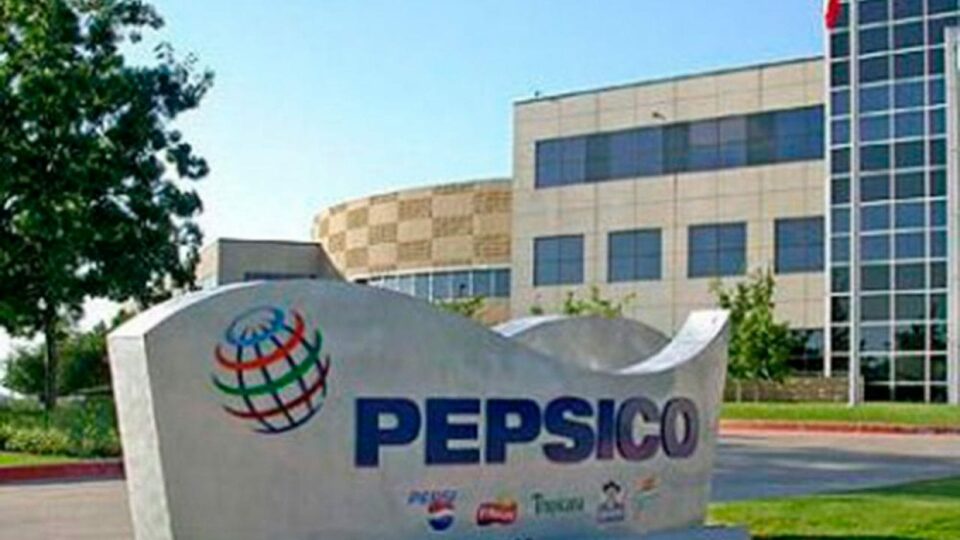
PepsiCo – From Cola to Conscious Consumerism: A Global Giant Reinventing for the Future
PepsiCo – From Cola to Conscious Consumerism: A Global Giant Reinventing for the Future
Overview
PepsiCo, headquartered in Purchase, New York, stands as one of the world’s largest food and beverage corporations. With a complementary portfolio of beverages, snacks, and convenient foods, the company delivers products consumed more than a billion times a day in over 200 countries. PepsiCo+2PepsiCo+2
In 2024, PepsiCo recorded net revenues of nearly US$92 billion, driven by iconic brands such as Pepsi-Cola, Lay’s, Doritos, Cheetos, Quaker, Gatorade, Mountain Dew, and more. PepsiCo+1
Sustainability & ESG: Embedding pep+ into the Core
Since launching its sustainability strategy—called pep+ (“PepsiCo Positive”) in 2021, PepsiCo has pursued aggressive climate, agriculture, water, packaging, and nutrition goals, turning sustainability into a business driver rather than an afterthought. PepsiCo+2PepsiCo+2
-
By end of 2024, the company had scaled regenerative, restorative, or protective agricultural practices across 3.5 million acres globally, with a target to reach 10 million acres by 2030. PepsiCo+1
-
PepsiCo now sources 89% of its global electricity needs for company-owned operations from renewable sources (directly or via credits) in 2024, marking a significant shift toward renewable energy. PepsiCo+1
-
On water stewardship: in 2024, the company replenished about 24 billion litres of water globally — equivalent to roughly 9,600 Olympic-sized swimming pools — reinforcing its ambition to become net-water positive in high-risk areas. PepsiCo+1
-
In nutrition: PepsiCo reached two of its key nutrition goals ahead of schedule — in its beverage portfolio, 67% of volume came from drinks with fewer than 100 calories from added sugars per 12 oz serving, and in its convenient foods portfolio, 77% of volume met the company’s sodium threshold per calorie. PepsiCo
This integration of sustainability — across supply chain, sourcing, manufacturing, packaging, and nutrition — aligns PepsiCo’s business with global environmental and health trends, enhancing long-term resilience and brand reputation.
Business Model Diversification & Resilience
PepsiCo’s strength lies in its diversified portfolio: not only beverages but snacks and convenient foods. This “snack + drink + nutrition” mix offers the company stability across shifting consumer preferences — whether people crave soda, salty snacks, healthy alternatives, or convenience foods. knowmore.org+2PepsiCo+2
Such diversification helps the firm absorb shocks: changes in beverage demand or regulatory pressure on sugary drinks may be offset by growth in healthier snack lines or convenient food segments.
Adapting to Health & Wellness Trends
As global consumer awareness of nutrition, health, and sustainability rises, PepsiCo appears to be proactively shifting. Its pep+ nutrition goals, emphasis on lower-sugar drinks and lower-sodium foods, and expansion of “convenient & nutritious” food offerings signal a strategic pivot. PepsiCo+2PepsiCo+2
By doing so, PepsiCo stays relevant to changing consumer demands — a critical advantage for future growth, especially in markets where health-conscious consumers are rising, including emerging markets in Africa, Asia, and Latin America.
Global Scale & Geographic Diversification
Operating in over 200 countries and territories, PepsiCo’s wide distribution network helps it leverage global demand and soften region-specific risks. PepsiCo+1
This diversity means PepsiCo isn’t overly dependent on any single market — a strategic strength given global economic volatility, shifting regulatory regimes, and differing regional consumption trends.
Innovation & Long-Term Strategic Vision
PepsiCo’s commitment to sustainability through pep+ is not just about compliance, but transformation. By investing in regenerative agriculture, renewable electricity, water stewardship, sustainable packaging, and healthier product formulations, PepsiCo is positioning itself for long-term relevance and resilience in an era of climate pressure, resource constraint, and evolving consumer behaviour. PepsiCo+3PepsiCo+3PepsiCo+3
This strategic vision underlines a broader shift in FMCG (Fast-Moving Consumer Goods): large corporations embracing sustainability and wellness — not just as PR, but as core to their business operations.
Implications for Emerging Markets & Africa
For markets in Africa and other emerging regions, PepsiCo’s model suggests opportunities: growing demand for convenient and affordable snacks and beverages, rising urbanization, increasing awareness about health and nutrition — all converge to create a strong growth environment.
As PepsiCo continues to expand distribution and adapt its portfolio with healthier, more nutritious products, there may be increased market penetration potential in places like Nigeria, Kenya, South Africa, etc.
For consulting firms like H.G.&W — and clients operating in emerging markets — PepsiCo’s strategies offer valuable lessons on balancing global standards, sustainability, product diversification, and adaptability.
Conclusion & Strategic Lessons for Business Leaders and Investors
PepsiCo is more than a soda or snack company — it’s a global food & beverage powerhouse evolving with changing times. Through its diversified portfolio, global reach, and forward-looking sustainability and nutrition agenda, the company is positioning itself for long-term growth and resilience.
For business clients, entrepreneurs, and investors in emerging markets: PepsiCo’s journey underscores the importance of:
-
Diversifying product/service offerings to spread risk and capture multiple consumer needs;
-
Embedding sustainability into core operations — not just as compliance, but as a differentiator and value driver;
-
Aligning with global consumer trends (health, wellness, sustainability) early;
-
Leveraging global best practices while tailoring offerings to local tastes and context.
PepsiCo remains a powerful example of how a legacy multinational can reinvent itself to stay relevant — and profitable — in a rapidly changing world.





Leave a Reply