
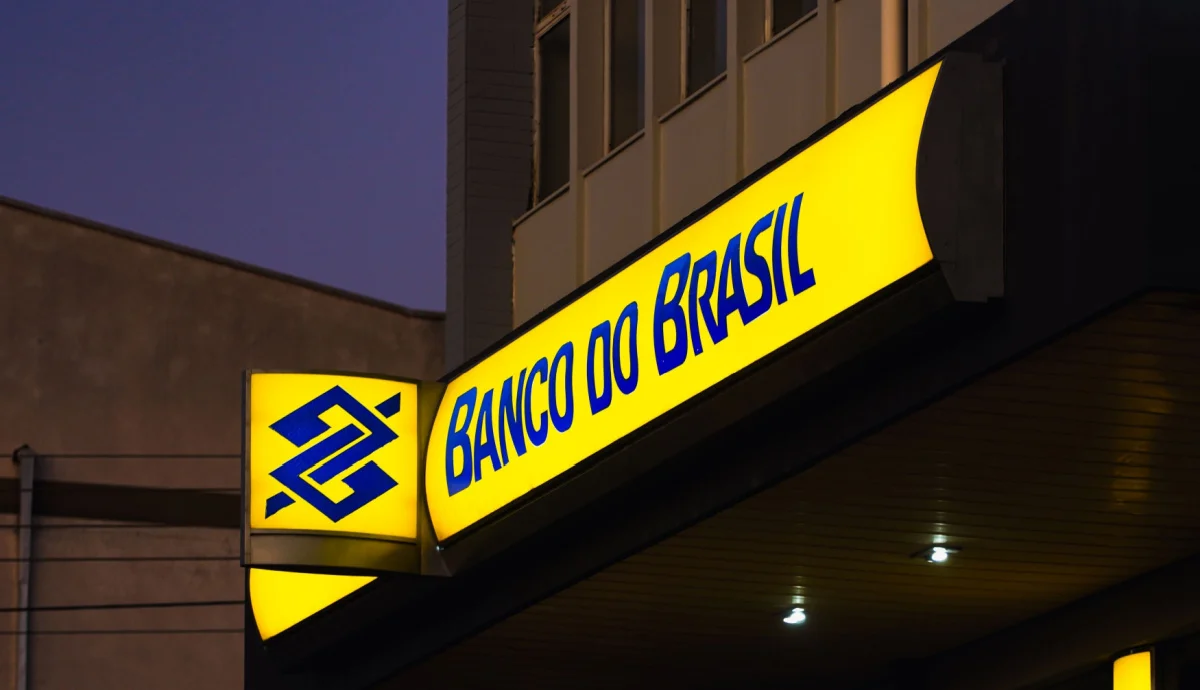
Banco do Brasil: A 200-Year Banking Giant Driving Growth in Latin America
Banco do Brasil: A 200-Year Banking Giant Driving Growth in Latin America
Executive Overview
Founded in 1808 by John VI, King of Portugal, Banco do Brasil S.A. stands as one of the oldest banks in continuous operation globally and a cornerstone of Brazil’s financial system.
Headquartered in Brasília and listed on the São Paulo stock exchange (B3), the bank operates at the intersection of public policy and commercial banking. As the second-largest financial institution in Brazil and across Latin America, Banco do Brasil plays a critical role in economic development, financial inclusion, and capital allocation.
Its story is one of longevity, adaptability, and strategic balance.
1. A Legacy Institution That Continues to Evolve
Few financial institutions can claim over two centuries of continuous operation. Banco do Brasil has survived and adapted through:
- Colonial economies
- Industrialization
- Economic crises and reforms
- Digital transformation
Its longevity reflects an ability to align with national priorities while maintaining operational relevance.
Strategic Insight: Enduring institutions succeed by evolving alongside the economies they serve.
2. The Dual Role: Government-Controlled Yet Market-Driven
Banco do Brasil operates under a unique structure—controlled by the Brazilian government while listed on the stock exchange.
This dual identity creates both advantages and challenges:
Advantages:
- Strong institutional backing
- Access to large-scale national programs
- Market trust and stability
Challenges:
- Political influence on decision-making
- Pressure to balance policy goals with profitability
The bank’s ability to navigate this balance is central to its long-term success.
3. Powering an Emerging Economy at Scale
Brazil’s vast geography and diverse economy require a banking system capable of operating at scale.
Banco do Brasil supports:
- Retail and corporate banking
- Government financial programs
- Infrastructure and development financing
Its reach extends into underserved regions, contributing to financial inclusion and economic participation.
4. Leadership in Agribusiness and SME Financing
One of Banco do Brasil’s strongest competitive advantages is its dominance in agribusiness financing, a sector critical to Brazil’s economy.
The bank provides:
- Credit for agricultural production
- Financing for export-driven agribusinesses
- Support for small and medium enterprises
This sector-focused strategy aligns the bank’s growth with national economic priorities.
5. Competing in the Age of Digital Banking
Like many legacy banks, Banco do Brasil faces competition from fintech startups and digital-first financial platforms.
In response, it has invested in:
- Mobile banking platforms
- Digital payments systems
- Data-driven customer insights
The goal is to combine legacy trust with modern convenience—ensuring competitiveness in a rapidly evolving financial ecosystem.
6. Capital Markets and Investor Confidence
Despite government control, Banco do Brasil remains publicly listed, requiring transparency, accountability, and financial performance.
This structure:
- Enhances investor confidence
- Enforces governance standards
- Balances public responsibility with private capital expectations
It serves as a model for hybrid financial institutions in emerging markets.
HG&W Strategic Conclusion
Banco do Brasil represents a unique blend of history, scale, and strategic positioning.
Its ability to balance:
- Government ownership with commercial performance
- National development with profitability
- Legacy operations with digital innovation
makes it a powerful case study for financial institutions globally.
For business leaders and policymakers, the key lesson is clear:
long-term relevance requires balancing institutional stability with continuous transformation.








Leave a Reply