
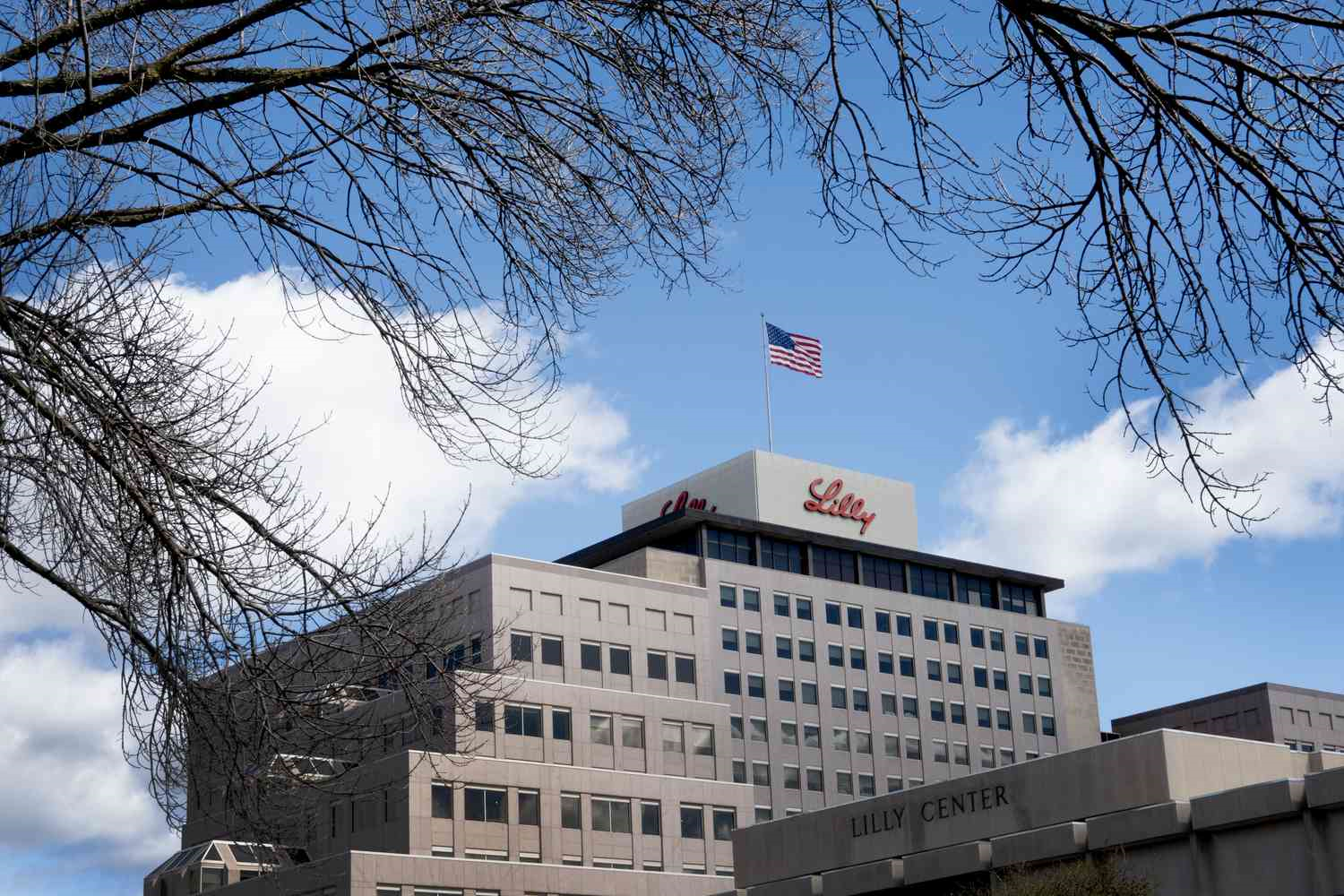
Eli Lilly: How Innovation and Obesity Breakthroughs Are Redefining Big Pharma Growth
Eli Lilly: How Innovation and Obesity Breakthroughs Are Redefining Big Pharma Growth
Executive Overview
Founded in 1876 and headquartered in Indianapolis, Eli Lilly and Company has evolved into one of the most valuable pharmaceutical companies in the world.
Traditionally known for its strength in diabetes care and neuroscience, Lilly has recently captured global attention through its leadership in obesity and metabolic health treatments—particularly with breakthrough drugs like Mounjaro and Zepbound.
Today, the company stands at the forefront of a major healthcare shift: the transition toward treating chronic lifestyle diseases at scale.
1. Innovation as a Strategic Growth Driver
Pharmaceutical success is built on one core principle: innovation.
Eli Lilly has consistently invested heavily in research and development, enabling it to:
- Discover breakthrough therapies
- Build strong patent-protected portfolios
- Command premium pricing
This innovation-first strategy has positioned Lilly as a leader in high-growth therapeutic areas.
Strategic Insight: In knowledge-driven industries, sustained R&D investment is the most reliable path to long-term competitive advantage.
2. Dominating the Obesity and Metabolic Health Market
One of the most significant developments in global healthcare is the rise of obesity and metabolic disease treatment.
Lilly’s GLP-1-based therapies, including:
- Mounjaro (diabetes and weight management)
- Zepbound (obesity treatment)
have seen unprecedented demand.
These drugs are not just treatments—they are reshaping how healthcare systems approach chronic disease.
The market potential is enormous, as obesity affects hundreds of millions globally, making it one of the largest pharmaceutical opportunities of the century.
3. A Balanced and High-Impact Portfolio
Beyond obesity and diabetes, Lilly maintains a diversified portfolio across key therapeutic areas:
Oncology
Drugs like Verzenio strengthen its position in cancer treatment.
Neuroscience
Focus on conditions like Alzheimer’s disease and depression.
Immunology and Emerging Therapies
Continued pipeline development ensures future growth.
This diversified strategy reduces dependency on a single revenue stream while allowing the company to capitalize on multiple high-growth markets.
4. Competitive Positioning and Speed to Market
The pharmaceutical industry is intensely competitive, with companies racing to bring new therapies to market.
Lilly’s ability to:
- Accelerate clinical development
- Secure regulatory approvals
- Scale production rapidly
has allowed it to compete effectively with rivals like Novo Nordisk.
In fast-growing categories like obesity treatment, speed and execution are as important as innovation itself.
5. Pricing, Access, and Regulatory Pressure
With high demand comes increased scrutiny.
Lilly faces ongoing challenges around:
- Drug affordability
- Insurance coverage
- Regulatory oversight
Balancing innovation-driven profitability with global access remains one of the company’s biggest strategic challenges.
For policymakers and healthcare leaders, this tension highlights the broader issue of how to fund innovation while ensuring equitable access.
6. The Future of Pharma: Chronic Disease and Longevity
The pharmaceutical industry is shifting toward long-term disease management.
Conditions such as:
- Obesity
- Diabetes
- Cardiovascular diseases
are becoming central to healthcare systems worldwide.
Lilly’s focus on these areas positions it at the center of a long-term structural trend: the rise of lifestyle disease management as a dominant healthcare market.
HG&W Strategic Conclusion
Eli Lilly’s recent success is not accidental—it is the result of sustained investment in innovation, strategic focus on high-growth therapeutic areas, and strong execution.
Its leadership in obesity and metabolic health represents a defining moment not just for the company, but for the pharmaceutical industry as a whole.
For business leaders, the lesson is clear:
market leadership emerges when innovation meets timing, scale, and execution.









Leave a Reply