
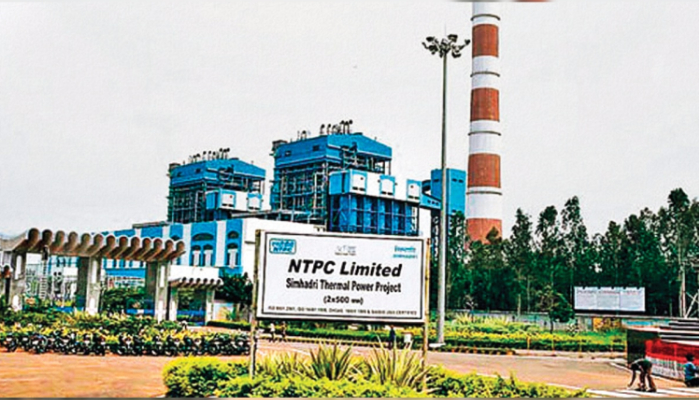
NTPC Limited: Powering India’s Present While Engineering Its Energy Future
Introduction: More Than a Power Utility
Established in 1975, NTPC Limited has evolved into India’s largest power conglomerate and a cornerstone of national infrastructure. As a Maharatna company under the Ministry of Power, NTPC operates at a rare intersection of scale, state responsibility, and strategic foresight.
With an installed capacity exceeding 85 GW, NTPC is not merely supplying electricity—it is shaping the future of India’s energy economy.
1. From State Utility to Strategic Power Giant
NTPC’s journey reflects India’s broader economic evolution. What began as a government-led thermal power producer has transformed into a commercially disciplined, diversified energy enterprise.
Despite public ownership, NTPC operates with:
-
Strong financial controls
-
Long-term capital planning
-
Performance-driven governance
Key Insight:
NTPC demonstrates how public-sector enterprises can compete at scale without sacrificing efficiency.
2. Scale as Competitive Advantage
Powering the world’s most populous nation requires unmatched operational scale. NTPC’s vast generation portfolio spans:
-
Coal-based thermal plants
-
Gas-fired stations
-
Hydropower assets
-
Solar and wind installations
This diversified mix ensures grid stability, energy security, and resilience against fuel or climate shocks.
Scale is not incidental—it is NTPC’s core strategic moat.
3. Operating Across the Entire Energy Value Chain
NTPC’s strength lies in its end-to-end presence across the energy ecosystem, including:
-
Power generation
-
Transmission and trading
-
Consultancy and project management
-
Power exchanges and energy services
This integrated model allows NTPC to influence pricing, reliability, and long-term planning across India’s electricity market.
4. The Energy Transition Challenge: Growth vs Sustainability
India’s energy demand is rising rapidly—and NTPC sits at the center of this tension. While coal remains critical for baseload power, NTPC is aggressively repositioning toward cleaner energy.
Key transition initiatives include:
-
Large-scale solar and wind projects
-
Green hydrogen development
-
Battery storage and grid modernization
-
Reduction of emissions intensity from thermal plants
Rather than abrupt disruption, NTPC is pursuing a managed, pragmatic transition—balancing affordability, reliability, and sustainability.
5. Renewables as the Next Growth Engine
NTPC has set ambitious renewable targets, aiming to become one of the world’s leading green energy producers. Its renewable arm is rapidly expanding capacity, leveraging:
-
Government policy support
-
Strong balance sheet
-
Project execution expertise
This positions NTPC not as a reluctant adapter, but as a central architect of India’s clean energy future.
6. Nation-Building Through Energy Infrastructure
Beyond profits, NTPC plays a structural role in:
-
Industrial growth
-
Rural electrification
-
Energy access and affordability
Its investments directly influence productivity, manufacturing competitiveness, and social development—making it both a commercial enterprise and a national enabler.
Conclusion: A Blueprint for Energy Leadership in Emerging Economies
NTPC Limited offers a compelling case study in how scale, state backing, and strategic transition can coexist. As India accelerates toward a cleaner, more resilient energy future, NTPC stands as a bridge between legacy power systems and next-generation energy solutions.
For emerging economies worldwide, NTPC’s model provides lessons in managing growth, transition, and national priorities—without losing commercial focus.









Leave a Reply