
Post FIFA World Cup 2026: Economic Impact for the USA and the Rest of the World
Post FIFA World Cup 2026: Economic Impact for the USA and the Rest of the World
Beyond the Final Whistle: How the 2026 FIFA World Cup Is Reshaping Global Economies, Trade, Tourism, and Business Opportunities
By H.G&W – Global Management Consulting
Executive Summary
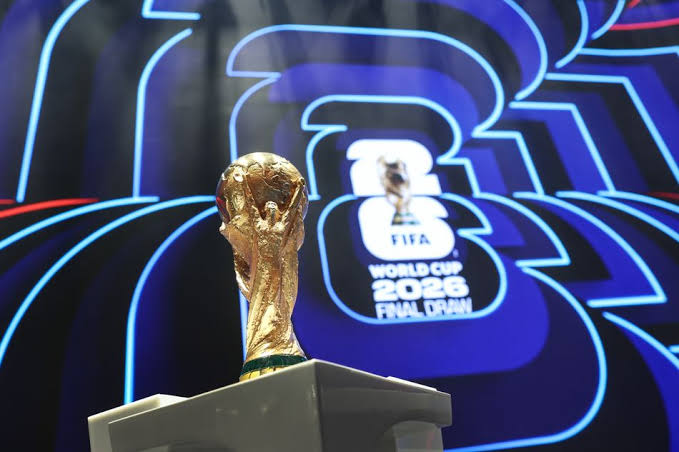
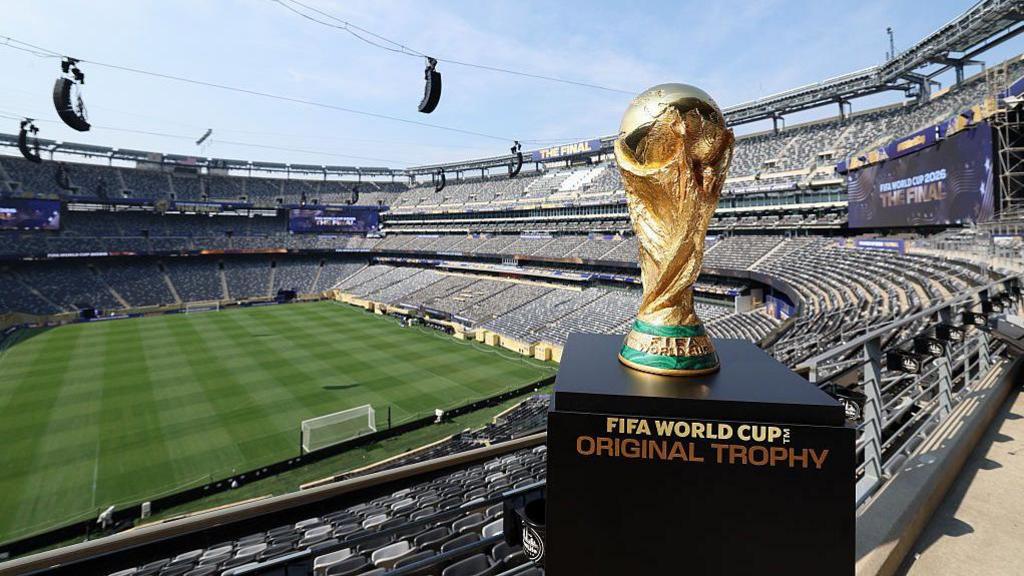
The FIFA World Cup 2026 has concluded, leaving behind unforgettable sporting moments and a lasting legacy that extends far beyond football.
Co-hosted by the United States, Canada, and Mexico, the tournament was the largest FIFA World Cup in history, featuring 48 participating nations and matches hosted across multiple cities in North America. Beyond its sporting significance, the event represented one of the world’s largest economic activities, generating substantial investments in infrastructure, tourism, hospitality, technology, media, and international commerce.
However, the true impact of the tournament cannot be measured solely by ticket sales or visitor numbers.
The World Cup has accelerated investment, strengthened global partnerships, boosted digital innovation, and reinforced the growing influence of sports as an economic driver.
For governments, investors, and business leaders, the key question is no longer what the tournament generated during its duration, but how countries and organizations can leverage its legacy for sustainable economic growth.
A Historic Tournament with Global Economic Significance
The FIFA World Cup has evolved into one of the world’s largest economic ecosystems.
The 2026 edition was unprecedented in scale:
- Expanded global participation
- Increased international tourism
- Record commercial partnerships
- Massive digital engagement
- Significant infrastructure investment
- Increased cross-border business activities
The tournament became an international platform for investment, innovation, branding, and economic diplomacy.
Economic Impact on the United States
As the primary host nation, the United States experienced the largest share of the tournament’s economic activity.
1. Tourism and Hospitality Growth
Millions of domestic and international visitors travelled to host cities.
This generated increased demand across:
- Hotels
- Restaurants
- Transportation
- Entertainment
- Retail
- Local attractions
Cities hosting matches benefited from increased visitor spending, creating revenue opportunities for local businesses and service providers.
2. Infrastructure Investment
Preparation for the tournament accelerated investment in:
- Stadium modernization
- Airports
- Public transportation
- Digital connectivity
- Smart city technologies
- Security systems
These improvements extend beyond the tournament, providing long-term benefits for residents, businesses, and future events.
3. Employment Opportunities
The World Cup created employment across multiple industries, including:
- Construction
- Tourism
- Hospitality
- Event management
- Security
- Logistics
- Media production
- Information technology
Although many jobs were temporary, the event also enhanced workforce capabilities in event operations and customer experience.
4. Media and Broadcasting
Global broadcasting rights generated significant commercial value.
The tournament stimulated growth across:
- Streaming platforms
- Advertising
- Sports media
- Digital content creation
- Social media engagement
North American media companies strengthened their position within the expanding global sports entertainment industry.
Economic Impact on Canada and Mexico
The co-hosting model provided opportunities for regional collaboration.
Both countries benefited through:
- Increased tourism
- Urban development
- Infrastructure improvements
- International visibility
- Foreign investment interest
- Enhanced business confidence
The tournament strengthened North America’s position as a global destination for major international events.
Global Economic Ripple Effects
The FIFA World Cup influenced economies far beyond the host nations.
1. International Trade
Global demand increased for:
- Sports merchandise
- Consumer electronics
- Apparel
- Food and beverages
- Travel services
- Digital technologies
Manufacturers and exporters worldwide benefited from increased commercial activity associated with the tournament.
2. Global Brand Visibility
For multinational companies, the World Cup represented one of the world’s largest marketing platforms.
Global brands invested heavily in:
- Sponsorships
- Digital campaigns
- Fan engagement
- Experiential marketing
The tournament demonstrated the growing value of sports marketing in building international customer loyalty.
3. Digital Economy Growth
The 2026 tournament highlighted the increasing role of technology in sports.
Innovation included:
- Artificial Intelligence for fan engagement
- Advanced match analytics
- Digital ticketing
- Cashless payments
- Smart stadium technologies
- Immersive viewing experiences
- Enhanced cybersecurity systems
Technology companies leveraged the event to showcase scalable digital solutions.
Investment Opportunities Emerging from the World Cup
The economic legacy extends well beyond football.
Sports Technology
Demand continues to grow for:
- AI-powered analytics
- Performance monitoring
- Wearable technologies
- Fan engagement platforms
Tourism
Host cities now possess stronger international profiles.
Governments and businesses can capitalize on this momentum through destination marketing and long-term tourism strategies.
Infrastructure
Improved transport networks and public facilities enhance investment attractiveness for future business development.
Real Estate
Urban regeneration surrounding host venues has increased commercial opportunities in several cities.
Digital Commerce
Global fan engagement accelerated online retail, digital payments, and cross-border e-commerce.
Lessons for Businesses
The World Cup offers valuable strategic insights for organizations.
Think Long-Term
Major investments generate the greatest value when they support long-term strategic objectives.
Leverage Partnerships
The tournament demonstrated the importance of collaboration between governments, private sector organizations, and international institutions.
Invest in Experience
Modern consumers increasingly value memorable experiences over products alone.
Organizations should prioritize customer experience as a competitive differentiator.
Embrace Digital Transformation
Technology enhanced nearly every aspect of the tournament.
Businesses across industries should continue investing in digital capabilities.
Build Resilience
Hosting an event of this scale required agile planning, robust logistics, and effective risk management.
These principles apply equally to modern organizations.
Challenges That Remain
While the tournament generated substantial economic activity, long-term success depends on addressing several challenges:
- Maintaining infrastructure utilisation after the tournament
- Maximising return on public investment
- Supporting small businesses beyond the event
- Ensuring inclusive economic benefits
- Managing environmental sustainability
- Protecting digital infrastructure against cyber threats
Economic legacy requires deliberate planning long after the final match.
The Future of Mega Sporting Events
The FIFA World Cup illustrates how major sporting events are evolving into platforms for:
- Economic diplomacy
- Foreign investment
- Urban transformation
- Digital innovation
- Tourism growth
- International collaboration
Future host nations will increasingly measure success by long-term economic outcomes rather than tournament attendance alone.
HG&W Perspective
At H.G&W, we believe the 2026 FIFA World Cup represents more than a sporting milestone.
It demonstrates how global events can accelerate economic transformation when supported by strategic planning, innovation, and effective governance.
Governments should focus on converting infrastructure into lasting public assets.
Businesses should leverage the increased visibility to expand internationally.
Investors should identify emerging opportunities across tourism, technology, logistics, and urban development.
The greatest winners after the World Cup will not simply be those who hosted matches—they will be those who successfully convert short-term momentum into long-term economic value.
Conclusion
The FIFA World Cup 2026 has left an enduring economic legacy.
It strengthened international partnerships, accelerated investment, enhanced infrastructure, stimulated innovation, and reinforced the growing relationship between sport and global commerce.
As the world looks beyond the tournament, one lesson stands out:
Economic impact is not defined by the final score.
It is defined by the decisions governments, businesses, and investors make after the final whistle.
For leaders worldwide, the opportunity now is to transform the momentum of the World Cup into sustained economic growth, innovation, and prosperity.







Leave a Reply