
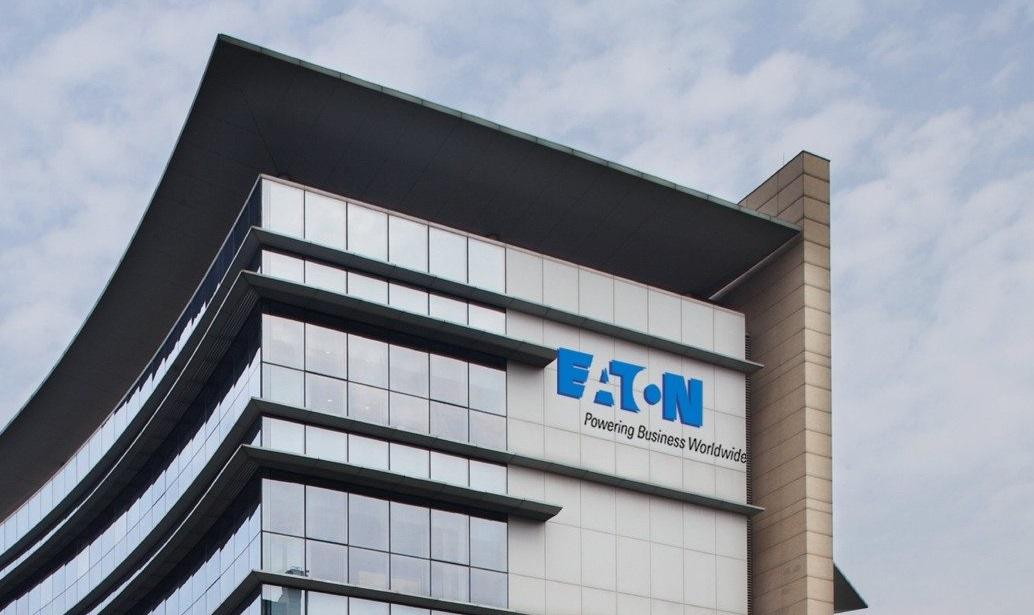
Powering the Future: How Eaton Is Turning Energy Management into a Global Competitive Advantage
Powering the Future: How Eaton Is Turning Energy Management into a Global Competitive Advantage
Executive Overview
Eaton Corporation stands as one of the world’s leading power management companies, operating across more than 175 countries and employing over 85,000 people globally.
Headquartered operationally in Beachwood, Ohio, with multinational roots spanning the United States and Ireland, Eaton has transformed from an industrial manufacturer into a strategic infrastructure and energy management leader.
Today, the company operates at the center of some of the world’s most important structural shifts:
- Electrification
- Energy security
- Industrial automation
- Infrastructure modernization
- Sustainability transformation
Its evolution provides valuable insights into how industrial companies can create long-term relevance in rapidly changing markets.
1. Power Management Has Become a Strategic Business Capability
Historically, electricity was viewed as a utility cost.
Today, it has become a strategic asset.
Organizations increasingly depend on reliable, efficient, and intelligent power systems to support:
- Business continuity
- Digital operations
- Manufacturing performance
- Energy optimization
Eaton’s solutions help customers manage electrical systems more effectively while reducing operational risk.
The broader lesson is clear:
Companies that manage power intelligently increasingly gain operational and financial advantages.
2. Electrification Is Reshaping Global Industry
One of the strongest long-term economic trends is electrification.
Demand is accelerating across:
- Electric vehicles
- Renewable energy
- Industrial facilities
- Smart buildings
- Data centers
Eaton has positioned itself as an infrastructure enabler rather than merely an equipment supplier.
This strategic positioning creates exposure to multiple growth sectors simultaneously.
For HG&W’s audience, this demonstrates how identifying macroeconomic transitions early can create durable competitive advantages.
3. Diversification Strengthens Industrial Resilience
Unlike narrowly focused industrial businesses, Eaton serves multiple sectors.
Its portfolio supports:
- Utilities
- Commercial buildings
- Aerospace
- Manufacturing
- Transportation
- Data infrastructure
This diversification reduces dependency on a single market cycle and increases long-term resilience.
It also enables cross-industry innovation.
The result is a business model capable of adapting to changing economic conditions.
4. Sustainability Is Becoming an Infrastructure Opportunity
The energy transition is creating new requirements for how electricity is generated, distributed, and consumed.
Eaton’s solutions support customers in:
- Improving energy efficiency
- Reducing emissions
- Modernizing electrical systems
- Integrating renewable energy
Rather than treating sustainability as compliance, the company positions it as operational transformation.
This approach reflects an emerging reality:
Environmental goals increasingly align with financial and productivity outcomes.
5. Intelligent Infrastructure Is Redefining Industrial Value
Modern infrastructure is becoming connected.
Eaton’s integration of digital technologies enables:
- Real-time monitoring
- Predictive maintenance
- Data-driven optimization
- Improved reliability
The combination of hardware and intelligence creates stronger customer outcomes.
For executives, the lesson is increasingly relevant:
Future infrastructure competitiveness will depend on visibility, automation, and analytics.
6. Infrastructure Modernization Creates Long-Term Demand
Across developed and emerging economies, infrastructure faces mounting pressure.
Challenges include:
- Aging power networks
- Urbanization
- Increasing energy consumption
- Industrial expansion
- Greater resilience requirements
These forces create sustained demand for companies capable of enabling modernization at scale.
Eaton’s global footprint positions it to participate in this transformation over the coming decades.
HG&W Strategic Conclusion
Eaton demonstrates how industrial organizations can evolve from product providers into strategic ecosystem enablers.
Its strengths in:
- Electrification
- Diversification
- Intelligent infrastructure
- Sustainability
- Global scale
offer valuable lessons for leaders navigating industrial transformation.
The broader takeaway is this:
Long-term growth increasingly belongs to organizations that solve system-level challenges rather than deliver standalone products.
In the next phase of economic development, managing power may become as strategically important as generating it.






Leave a Reply