
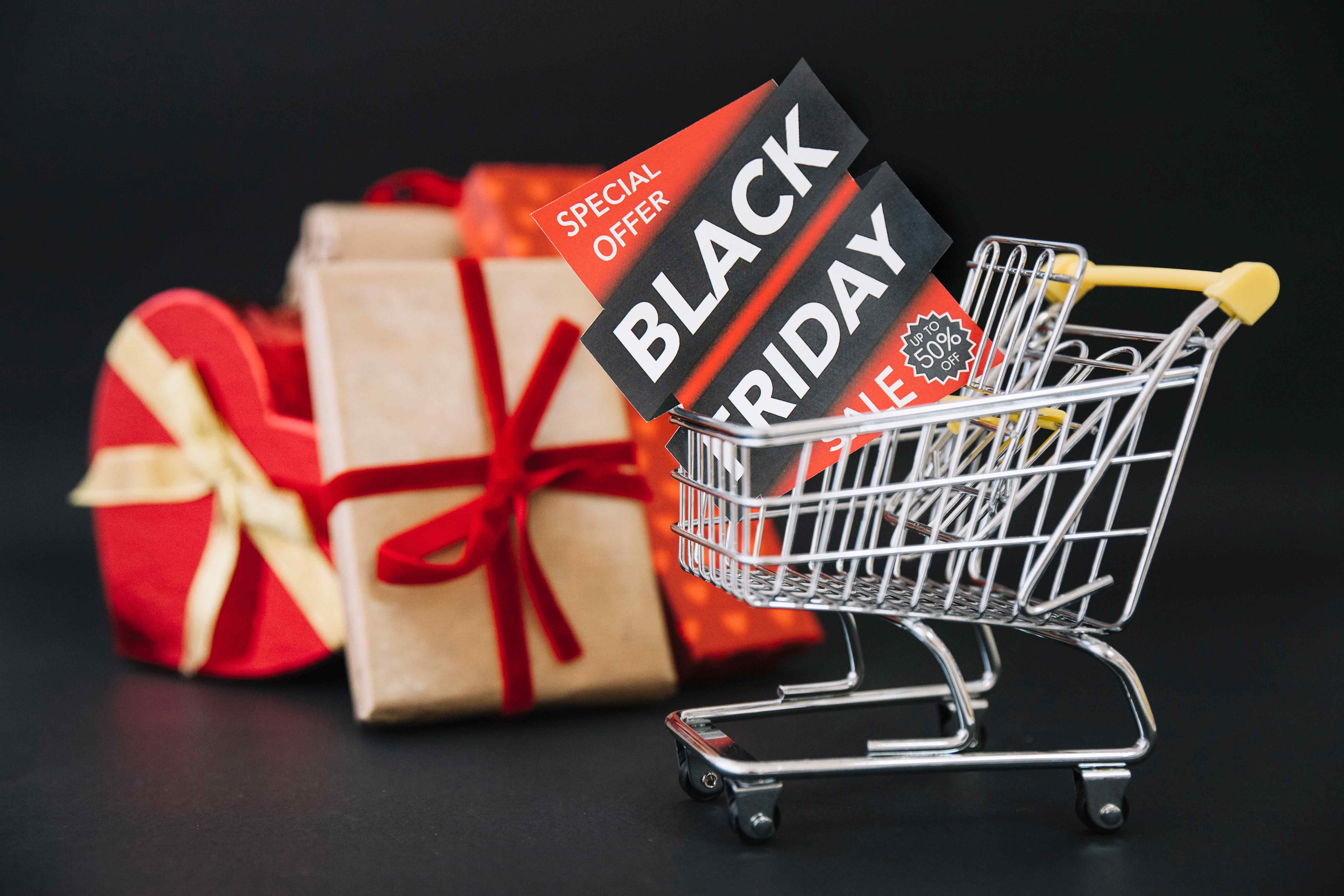
BLACK FRIDAY IS MORE THAN A SALES EVENT. IT IS A TEST OF BUSINESS STRATEGY.
H.G.&W. Research & Thought Leadership
Black Friday Impact on Business: Beyond the Discounts — How the World’s Biggest Shopping Event Shapes Revenue, Competition and Business Strategy
November 2026 | Business Strategy • Retail • Marketing • Consumer Behaviour
Introduction
Black Friday has evolved from a single-day shopping event into one of the most influential commercial periods in the global business calendar. What began as a major post-Thanksgiving retail promotion in the United States has become an international sales phenomenon, influencing consumer behaviour, pricing strategies, inventory decisions, digital commerce, logistics and competitive positioning across multiple industries.
For businesses, Black Friday represents both a significant commercial opportunity and a demanding strategic test. It can generate substantial sales within a short period, attract new customers, accelerate inventory turnover and strengthen brand visibility. However, it can also expose weaknesses in pricing, cash flow, supply chains, customer service and digital infrastructure. A business may record impressive sales figures during the event and still experience disappointing profitability if discounts, advertising costs, fulfilment expenses and returns are not properly managed.
The commercial significance of Black Friday continues to grow, but the rules of participation are changing. Consumers are increasingly informed, price-conscious and comfortable comparing offers across multiple platforms. Artificial intelligence is influencing product discovery and purchasing decisions, while delivery convenience, transparent pricing and customer trust are becoming important factors in determining which businesses convert interest into sales.
For business leaders, therefore, the central question is no longer simply how much can be sold during Black Friday. It is how to turn the event into profitable growth, stronger customer relationships and long-term business value.
1. The Evolution of Black Friday into a Global Business Event
Black Friday traditionally marked the beginning of the Christmas shopping season in the United States. Retailers used aggressive promotions to attract shoppers and encourage early holiday purchases. Over time, the event expanded beyond physical stores, with e-commerce platforms introducing online promotions and the emergence of Cyber Monday extending the shopping period.
Today, Black Friday is no longer confined to the United States or to one day. It has become part of a broader promotional season that includes early access deals, week-long campaigns, Cyber Monday and extended year-end sales.
Its influence now extends across:
-
Retail: Electronics, fashion, home appliances, beauty, groceries and general merchandise.
-
E-commerce: Online marketplaces, direct-to-consumer brands and independent digital stores.
-
Financial services: Payment providers, banks, digital wallets and consumer credit businesses.
-
Logistics: Courier companies, warehouses, fulfilment providers and delivery networks.
-
Technology: E-commerce platforms, advertising technology, analytics and artificial intelligence providers.
-
Professional services: Marketing agencies, technology consultants, customer experience providers and business support firms.
The scale of participation demonstrates its commercial importance. DHL’s 2026 Black Friday research, based on surveys of 29,000 online shoppers across 29 countries and 5,800 e-commerce businesses across 28 countries, found that 84% of surveyed e-commerce businesses run Black Friday promotions, while 41% of online shoppers reported purchasing during the event. This difference is important: businesses are participating at a higher rate than consumers are buying, meaning that simply offering a discount does not guarantee a sale.
Global
Black Friday has consequently become more than a promotional opportunity. It is a competitive marketplace in which businesses must demonstrate value, convenience, credibility and operational readiness.
2. Revenue Growth and the Opportunity to Increase Sales
One of the most visible benefits of Black Friday is its potential to generate a significant increase in sales over a short period.
Consumers who have postponed purchases may use the event to buy products they have been monitoring. Others may bring forward planned purchases because they believe the promotional prices offer better value. Businesses can use this concentrated demand to increase transaction volumes and generate revenue before the end of the financial or calendar year.
The opportunity is particularly relevant for businesses selling:
-
Consumer electronics and mobile devices.
-
Fashion, footwear and accessories.
-
Beauty, skincare and personal care products.
-
Home appliances, furniture and household items.
-
Toys, gifts and lifestyle products.
-
Digital products, software subscriptions and online services.
The 2026 outlook illustrates the scale of this opportunity in the United States. Bain & Company forecast that Black Friday through Cyber Monday sales would exceed $85 billion, with projected growth of 8.75% compared with the previous year. This is a US market forecast, not a measure of global or Nigerian sales, but it demonstrates the commercial weight retailers continue to attach to the event.
Bain & Company
However, increased revenue should not automatically be interpreted as improved business performance. Businesses must distinguish between sales growth and profitable growth.
A retailer that sells 1,000 products at a heavily discounted price may generate more revenue than usual but earn less gross profit if the discount is too deep. Additional expenses such as advertising, packaging, payment processing, delivery subsidies and returns can further reduce the financial benefit.
The objective should therefore be to increase sales while protecting contribution margins and cash flow.
3. The Impact on Profitability and Pricing Strategies
Black Friday creates pressure on businesses to offer competitive discounts. While price reductions can attract customers, they also introduce risks to profitability and brand positioning.
The discounting challenge
When several businesses sell similar products, customers may compare prices before making a purchase. This can encourage retailers to reduce prices repeatedly in an attempt to remain competitive.
The consequences may include:
-
Reduced gross profit margins.
-
Lower perceived value of products.
-
Increased dependence on promotional sales.
-
Customer reluctance to purchase at regular prices.
-
Pressure on suppliers to reduce costs.
-
Difficulty maintaining consistent pricing after the event.
The problem becomes particularly serious when businesses discount products without understanding their actual cost structure.
For example, a business selling a product for ₦100,000 with a total direct cost of ₦70,000 has a gross profit of ₦30,000. If it reduces the selling price by 20%, the new selling price becomes ₦80,000, leaving only ₦10,000 gross profit before marketing, logistics, payment charges and other operating expenses.
Illustrative pricing example
| Metric | Regular price | Black Friday price |
|---|---|---|
| Selling price | ₦100,000 | ₦80,000 |
| Direct product cost | ₦70,000 | ₦70,000 |
| Gross profit | ₦30,000 | ₦10,000 |
| Gross margin | 30% | 12.5% |
Illustrative example only. Other selling and operating expenses are excluded.
The business has reduced its selling price by 20%, but its gross profit per unit has fallen by approximately 67%. It would need to sell three times as many units just to generate the same total gross profit, assuming the direct cost per unit remains unchanged.
Moving beyond blanket discounts
Rather than discounting every product, businesses should consider more targeted promotional strategies:
-
Product bundles: Combine complementary products and offer a package price that protects overall value.
-
Tiered discounts: Offer different incentives based on purchase value or quantity.
-
Clearance promotions: Use the event to move slow-moving or seasonal inventory.
-
Loyalty rewards: Give existing customers exclusive benefits rather than relying entirely on price reductions.
-
Value-added offers: Include free delivery, extended warranties, installation or additional services where economically viable.
-
Limited product promotions: Discount selected products to attract traffic while protecting margins on other items.
The key is to design promotions around business objectives rather than simply matching competitors’ prices.
4. Customer Acquisition, Brand Visibility and Market Share
Black Friday can provide businesses with an opportunity to reach customers who may not have previously considered their products or services.
A well-executed campaign can generate increased website traffic, social media engagement, enquiries, store visits and new customer registrations. Businesses can also use promotional campaigns to introduce new products, test market demand and attract customers from competitors.
For emerging brands and small businesses, this visibility can be especially valuable.
However, customer acquisition during Black Friday can become expensive. Advertising competition often increases as businesses compete for consumer attention across search engines, social media platforms, marketplaces and other digital channels.
The cost of attracting a customer must therefore be measured against the revenue and long-term value that customer generates.
A business should monitor:
-
Customer acquisition cost (CAC).
-
Conversion rate.
-
Average order value (AOV).
-
Revenue per customer.
-
Gross profit per transaction.
-
Repeat purchase rate.
-
Customer lifetime value (CLV).
The most successful businesses do not treat Black Friday as a one-time opportunity to sell. They use it to build customer databases, establish relationships and create opportunities for repeat business.
For example, a fashion retailer can encourage customers to subscribe to its newsletter or join a loyalty programme during the campaign. A software company can use discounted annual subscriptions to introduce new customers to its platform. A professional services firm can offer a limited-time consultation or business assessment to generate qualified leads.
The long-term value of a Black Friday customer may be considerably greater than the initial transaction, provided the business has a structured retention strategy.
5. The Transformation of Consumer Behaviour
Black Friday has changed how consumers research, compare and purchase products.
Modern shoppers are increasingly deliberate. They may monitor prices weeks before the event, compare offers across multiple retailers, read product reviews and evaluate delivery costs before completing a transaction.
This behaviour creates a more demanding environment for businesses.
The Boston Consulting Group’s 2026 Year-End Sales Events Consumer Study found that awareness of Black Friday promotions had reached 95% among surveyed consumers across ten markets. However, only 54% said they trusted advertised discounts, while 20% expressed active distrust. The findings indicate that awareness and promotional participation do not automatically translate into confidence in a retailer’s offers.
BCG
Trust is becoming a competitive advantage
Consumers are increasingly questioning whether advertised discounts represent genuine savings.
Businesses that inflate original prices, use misleading promotional claims or create artificial urgency may attract short-term attention but risk damaging customer trust.
To build confidence, businesses should:
-
Display accurate original and promotional prices.
-
Explain the terms and conditions of offers.
-
Provide clear product descriptions and specifications.
-
Use authentic customer reviews and testimonials.
-
Communicate delivery timelines and return policies.
-
Honour advertised promotions.
-
Make customer support accessible before and after purchase.
Trust is particularly important for smaller businesses that may not yet have established brand recognition. A transparent offer, reliable communication and consistent customer experience can become important differentiators.
6. The Growing Role of E-commerce and Omnichannel Retail
Black Friday has accelerated the importance of digital commerce in the retail sector.
Customers increasingly expect to discover products online, compare prices, complete purchases through mobile devices and choose convenient delivery or collection options.
For businesses, this means that an effective Black Friday strategy must extend beyond physical stores.
The importance of digital readiness
An e-commerce platform must be able to handle increased traffic and transactions without compromising customer experience.
Businesses should assess:
-
Website speed and mobile responsiveness.
-
Product availability and inventory accuracy.
-
Payment gateway reliability.
-
Checkout simplicity.
-
Website security.
-
Customer support capacity.
-
Order confirmation and tracking.
-
Delivery and returns processes.
A website that attracts thousands of visitors but fails during checkout can result in lost revenue and reputational damage.
Integrating physical and digital channels
Omnichannel retail allows customers to interact with a brand through different channels while maintaining a consistent experience.
A customer may discover a product on Instagram, compare its price on a website, visit a physical store to inspect it and complete the purchase through a mobile payment option.
Businesses that integrate their channels can offer greater convenience and capture demand from customers with different shopping preferences.
Circana’s November 23, 2026 research found that 83% of surveyed consumers planned to make holiday purchases online, while physical stores remained important in the overall shopping journey. The study also highlighted the importance of free shipping, value for money and promotional pricing in retailer selection.
Circana
For businesses, the implication is clear: online and offline operations should complement each other rather than operate as disconnected sales channels.
7. Artificial Intelligence and the Changing Black Friday Shopping Experience
Artificial intelligence is becoming an increasingly important part of the Black Friday commercial ecosystem.
Consumers can use AI tools to compare product specifications, identify suitable products, research prices, summarise reviews and receive personalised recommendations. Businesses, meanwhile, can use AI to forecast demand, personalise marketing, automate customer service and optimise inventory.
DHL’s 2026 research found that 88% of surveyed Black Friday shoppers had used or planned to use AI for price comparisons. It also reported that 47% had used AI to browse or buy, while 38% of surveyed e-commerce businesses enabled AI-assisted browsing or purchasing.
Global
Salesforce’s November 19, 2026 forecast projected that AI and shopping agents would influence $75.8 billion of global online sales during Cyber Week, within a projected $357 billion in total global online sales. These are forecasts rather than final sales results, but they illustrate the growing role of AI in product discovery and purchasing.
Salesforce
How businesses can benefit from AI
Businesses can deploy AI in several areas:
Personalised recommendations: Suggest products based on browsing history, purchase behaviour and customer preferences.
Demand forecasting: Analyse historical sales, market trends and seasonal patterns to estimate demand.
Customer service: Use AI-powered assistants to answer frequently asked questions, explain promotions and provide order updates.
Marketing optimisation: Segment customers, personalise campaigns and improve advertising decisions.
Inventory management: Identify products likely to sell quickly and reduce the risk of overstocking or stockouts.
Product discovery: Improve product descriptions, categorisation and the availability of accurate product information across search and AI-powered shopping tools.
However, businesses must ensure that AI-generated information is accurate, customer data is handled responsibly and automated customer interactions do not undermine trust.
AI should improve the shopping experience and business efficiency, not simply become another technology expense.
8. Supply Chain, Inventory and Logistics Implications
Black Friday can place significant pressure on supply chains and fulfilment operations.
Businesses must anticipate demand, secure adequate inventory, coordinate suppliers and ensure that products reach customers within promised delivery periods.
A successful marketing campaign can become an operational problem if a business generates more orders than it can fulfil.
Inventory management
Businesses must strike a balance between having enough stock to meet demand and avoiding excess inventory after the promotional period.
Understocking can result in missed sales and disappointed customers. Overstocking can tie up working capital and leave businesses with unsold products that may require further discounting.
Effective inventory planning should consider:
-
Historical sales patterns.
-
Product popularity and seasonal demand.
-
Supplier lead times.
-
Available working capital.
-
Expected promotional performance.
-
Warehouse capacity.
-
Stock replenishment options.
Logistics and delivery
Delivery performance can determine whether a customer completes a purchase.
DHL’s 2026 research found that one in three Black Friday shoppers were most likely to abandon a purchase at the shipping-options stage. It also reported that 81% would abandon a purchase without their preferred delivery options and 74% without their preferred return options.
Global
This demonstrates that competitive pricing alone is not enough. Customers also want convenience, predictable delivery and confidence that problems will be resolved.
For businesses in markets with complex logistics environments, including Nigeria, delivery planning deserves particular attention. Retailers should communicate delivery charges and timelines clearly, work with dependable logistics providers, and establish procedures for failed deliveries, exchanges and returns.
9. The Impact on Small and Medium-Sized Enterprises
Black Friday can create opportunities for SMEs, but smaller businesses often face challenges that larger retailers are better equipped to manage.
Large retailers may have stronger supplier relationships, greater purchasing power, larger advertising budgets, established logistics networks and more advanced technology infrastructure.
SMEs may struggle to compete through deep discounts alone.
However, they can compete through differentiation, niche products, customer relationships and operational flexibility.
Opportunities for SMEs
-
Reach new customers through targeted digital campaigns.
-
Clear excess or slow-moving inventory.
-
Introduce new products to the market.
-
Increase brand awareness.
-
Build email and WhatsApp customer databases.
-
Generate repeat purchases through loyalty programmes.
-
Partner with complementary businesses for joint promotions.
Challenges for SMEs
-
Limited working capital.
-
High cost of advertising.
-
Unreliable supply and stock availability.
-
Payment processing and transaction costs.
-
Limited delivery capacity.
-
Difficulty managing sudden increases in enquiries.
-
Pressure to offer discounts that may not be financially sustainable.
SMEs should avoid copying the promotional strategies of large retailers without considering their own cost structures and customer segments.
A small business with a loyal customer base may achieve better results through exclusive bundles, personalised offers and dependable service than through aggressive price reductions.
10. Black Friday in Nigeria and Emerging Markets
Although Black Friday originated in the United States, it has become familiar to consumers and businesses in several African markets, including Nigeria.
Nigerian retailers, e-commerce platforms, fashion businesses, electronics dealers, supermarkets and independent online vendors increasingly use the period to promote products and attract customers.
The event is particularly relevant in a market where digital channels, mobile payments and social commerce provide businesses with additional ways to reach consumers.
However, the Nigerian business environment introduces distinct considerations.
Consumer purchasing power
Consumers are often highly sensitive to price changes and may prioritise essential purchases over discretionary spending. Businesses must therefore understand the purchasing power of their target market and design offers around genuine customer needs.
A discount that appears attractive in percentage terms may still be unaffordable to the intended customer.
Foreign exchange and import costs
Businesses that depend on imported products may face changing procurement costs due to exchange-rate movements, shipping expenses and supplier pricing.
A retailer should calculate promotional prices using realistic replacement costs rather than relying exclusively on the historical purchase price of existing stock. Otherwise, a campaign may generate sales but leave insufficient funds to replenish inventory.
Payment infrastructure
Digital payments create opportunities for faster transactions, but businesses must plan for payment failures, delayed confirmations, transaction limits and reconciliation issues.
Customers should receive clear payment instructions, and businesses should verify successful transactions before releasing goods.
Logistics and delivery costs
Delivery expenses can significantly influence the final cost of a purchase. Businesses should be transparent about delivery charges and avoid promising timelines they cannot consistently meet.
Social commerce and WhatsApp selling
For many Nigerian SMEs, social media and WhatsApp are important sales channels.
A structured Black Friday campaign can use:
-
Product catalogues and price lists.
-
WhatsApp broadcasts to opted-in customers.
-
Instagram and Facebook product demonstrations.
-
Short-form videos and customer testimonials.
-
Direct links to payment and ordering channels.
-
Automated responses to common enquiries.
However, businesses should ensure that enquiries are handled promptly and that orders are recorded accurately. A campaign that generates more messages than the team can manage can lead to lost customers.
The opportunity for Nigerian businesses
Black Friday should not be viewed only as an opportunity for large e-commerce platforms. Small retailers, service providers, local manufacturers and digital businesses can participate with carefully designed promotions.
A Nigerian business does not need to offer the biggest discount in the market. It needs to offer a compelling proposition that customers can afford, trust and receive reliably.
11. The Impact on Different Business Sectors
Although retail businesses are the most visible participants, Black Friday can influence several other industries.
| Sector | Potential business impact |
|---|---|
| Retail and e-commerce | Higher sales volumes, stronger competition and inventory pressure |
| Banking and fintech | Increased payment transactions, digital wallet usage and fraud exposure |
| Logistics and delivery | Higher shipment volumes and greater demand for fulfilment services |
| Marketing and advertising | Increased campaign demand, media competition and customer acquisition activity |
| Technology | Greater demand for e-commerce platforms, cloud capacity, analytics and automation |
| Manufacturing and distribution | Changes in production schedules, wholesale orders and stock replenishment |
| Hospitality and travel | Promotional packages and increased competition for discretionary spending |
| Professional services | Opportunities to generate leads through consultations, subscriptions and limited-time packages |
This wider economic impact means that Black Friday should not be treated as a retail-only event. Businesses across the commercial ecosystem can benefit from the increased activity, provided they identify where they fit into the customer journey.
12. The Risks Businesses Must Manage
The commercial potential of Black Friday should not obscure the risks associated with poorly planned campaigns.
Margin erosion: Excessive discounting can increase sales while weakening profitability.
Cash-flow pressure: Businesses may need to pay suppliers, advertising platforms and logistics providers before receiving or reconciling all customer payments.
Inventory shortages: Inadequate forecasting can lead to stockouts and lost revenue.
Excess inventory: Overestimating demand can leave businesses with unsold products and tied-up capital.
Cybersecurity and fraud: Increased online transactions can create more opportunities for phishing, fraudulent orders, payment scams and account compromise.
Customer dissatisfaction: Delayed deliveries, inaccurate product descriptions and poor support can damage brand reputation.
Operational disruption: Websites, payment systems, customer service teams and fulfilment operations may struggle under increased demand.
Promotional credibility: Misleading discounts and unclear conditions can undermine consumer trust.
A Black Friday campaign should therefore include a risk assessment covering commercial, operational, technological, financial and reputational exposure.
13. How Businesses Can Build a Successful Black Friday Strategy
A strong Black Friday campaign begins with business objectives, not discount percentages.
The following framework provides a practical approach.
Stage 1: Define the commercial objective
Determine what the business wants to achieve.
Possible objectives include:
-
Increase profitable revenue.
-
Acquire new customers.
-
Clear excess inventory.
-
Introduce a new product.
-
Increase average order value.
-
Generate qualified leads.
-
Improve customer retention.
The objective should determine the type of promotion, target audience and performance indicators.
Stage 2: Understand the customer
Identify the products customers want, the prices they can afford and the factors influencing their purchase decisions.
Use customer feedback, previous sales records, website analytics, social media engagement and market research to identify demand.
Stage 3: Calculate the economics of each offer
Before publishing a discount, calculate product costs, gross margins, payment charges, marketing expenses, delivery subsidies and other relevant costs.
Set minimum acceptable margins and establish clear approval limits for promotional pricing.
Stage 4: Prepare inventory and operations
Confirm stock availability, supplier commitments, warehouse capacity, staffing and delivery arrangements.
Ensure that the business can fulfil the orders it expects to generate.
Stage 5: Build an integrated marketing campaign
Use a combination of digital and physical channels, including:
-
Email marketing.
-
Social media advertising.
-
Search engine marketing.
-
Influencer and creator partnerships.
-
WhatsApp marketing.
-
Website banners and landing pages.
-
In-store promotions.
-
Customer referral campaigns.
The message should communicate the offer clearly, explain its value and make it easy for customers to take action.
Stage 6: Strengthen the customer experience
Ensure that product information, payment processes, delivery terms and return policies are clear.
Prepare customer service teams for increased enquiries and establish escalation procedures for complaints or failed transactions.
Stage 7: Measure performance
Monitor campaign performance throughout the event and compare results against established targets.
Important indicators include:
| Performance indicator | What it measures |
|---|---|
| Total revenue | Overall sales generated |
| Gross profit | Profit after direct product costs |
| Contribution margin | Revenue remaining after variable costs |
| Conversion rate | Percentage of visitors who complete a purchase |
| Average order value | Average amount spent per transaction |
| Customer acquisition cost | Cost of acquiring a new customer |
| Return on advertising spend | Revenue attributed to advertising relative to ad spend |
| Stock turnover | How quickly inventory is sold |
| Return and refund rate | Proportion of orders returned or refunded |
| Repeat purchase rate | Customers who buy again after the campaign |
The final evaluation should consider profitability and customer value, not just sales volume.
14. What Happens After Black Friday? Turning Seasonal Buyers into Long-Term Customers
One of the biggest mistakes businesses make is treating Black Friday as the end of a marketing campaign rather than the beginning of a customer relationship.
After the event, businesses should analyse customer behaviour and identify opportunities for continued engagement.
A structured post-campaign strategy can include:
-
Customer follow-up: Thank customers and confirm that orders have been fulfilled.
-
Feedback collection: Ask customers about their purchasing and delivery experience.
-
Customer segmentation: Separate new customers, returning customers and high-value buyers.
-
Retention campaigns: Offer relevant products, services and loyalty incentives.
-
Abandoned-cart analysis: Identify customers who showed purchase intent but did not complete transactions.
-
Performance review: Compare actual revenue, margins and costs against campaign objectives.
-
Inventory review: Assess remaining stock and plan future replenishment or clearance activity.
Businesses should also review which products performed best, which promotional channels delivered the strongest returns and where operational problems occurred.
These insights can inform future campaigns and improve the organisation’s overall marketing and commercial strategy.
15. Strategic Recommendations for Business Leaders
Black Friday presents an opportunity to test the strength of a business’s commercial model. Leaders should approach it as a strategic exercise involving marketing, finance, operations, technology and customer experience.
The following priorities deserve attention:
-
Prioritise profitable growth: Revenue without healthy margins is not a sustainable measure of success.
-
Compete on value, not price alone: Product quality, reliability, convenience and service can differentiate a business.
-
Invest in customer intelligence: Understand customer needs and use data to design relevant promotions.
-
Strengthen digital infrastructure: Ensure websites, payment systems and customer service channels can handle increased demand.
-
Build supply-chain resilience: Coordinate suppliers, inventory and delivery partners before the promotional period.
-
Use AI responsibly: Apply automation and analytics to improve customer experience and operational efficiency.
-
Protect brand trust: Make promotional claims transparent and honour every commitment.
-
Plan beyond the event: Use Black Friday to acquire customers and develop relationships that continue after the discounts end.
For SMEs, the most important lesson is to participate strategically. A well-designed campaign with realistic targets can produce meaningful results without placing unnecessary pressure on cash flow or profitability.
Conclusion: Black Friday Is a Business Strategy Test, Not Just a Sales Event
Black Friday has become a defining feature of modern commerce. Its influence extends beyond discounted products and temporary increases in consumer spending. It shapes pricing strategies, customer acquisition, digital transformation, inventory planning, logistics, competition and the relationship between businesses and consumers.
For businesses that prepare effectively, the event can generate revenue, attract new customers, improve brand visibility and create opportunities for long-term growth. For businesses that approach it without a clear strategy, it can expose weaknesses in financial management, operational readiness and customer experience.
The changing behaviour of consumers makes the challenge even more significant. Shoppers are increasingly comparing prices, questioning promotional claims, using AI to discover products and expecting convenient fulfilment. Businesses must therefore offer more than attractive discounts. They must provide genuine value, reliable service and a trustworthy purchasing experience.
Ultimately, the businesses that benefit most from Black Friday will not necessarily be those offering the deepest discounts. They will be those that understand their customers, manage their costs, execute effectively and convert seasonal demand into sustainable commercial relationships.
The real measure of Black Friday success is not how much a business sells during the event, but how much lasting value it creates from the opportunity.
References and further reading
-
Boston Consulting Group (2026). For Year-End Sales Events, Trust Is the New Currency. Read BCG’s 2026 consumer study.
-
DHL eCommerce (2026). The New Formula for Black Friday: 2026 Trend Report. Read the DHL report.
-
Bain & Company (2026). Black Friday through Cyber Monday Weekend Sales to Surpass $85 Billion. Read the Bain forecast.
-
Salesforce (2026). Record Cyber Week Expected to Deliver $75.8B in AI-Driven Sales. Read the Salesforce forecast.
-
Circana (2026). Consumers Are Extending the Season, Not Replacing Black Friday. Read Circana’s research.










Leave a Reply